The practical answer.
Give suppliers a revisioned cavity drawing and the intended operating conditions before asking them to price a LiPo pack. Compare proposals on the same pouch geometry, cable exit, operating limits, sample plan and documentation scope.
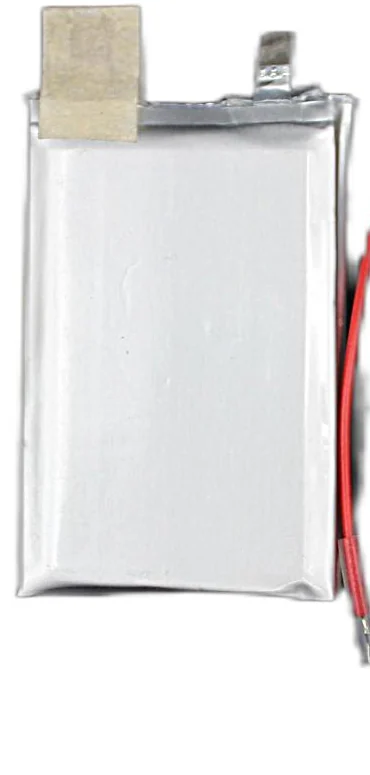
Start with the space the device actually offers
A LiPo pack can fit the nominal cavity and still conflict with a connector, tab seal or latch. Share the enclosure revision, datum and released keep-outs. Show how the pack goes into the housing and which direction the cable must leave. Give any allowed restraint or service clearance as a requirement for the actual design to verify. Avoid using an apparent thickness taken from a catalogue photo.
LiPo quotation handoff checklist
| Input to freeze | Buyer supplies | Supplier returns |
|---|---|---|
| Cavity and datum | Drawing revision, available thickness, seal and tab keep-outs, cable exit and assembly direction | Proposed pack outline, mounting and tolerance assumptions. |
| Load and charging | Operating voltage range, current versus time, duty cycle, charger description and temperatures | Electrical proposal, protective functions and conditions still to verify. |
| Sample scope | Fit, electrical and production validation purposes, quantities and acceptance milestones | Sample configuration, documented deviations and dates quoted against declared assumptions. |
| Commercial basis | Target annual bands, delivery location and documentary requirements | Separately priced alternatives, exclusions and which model evidence is available. |
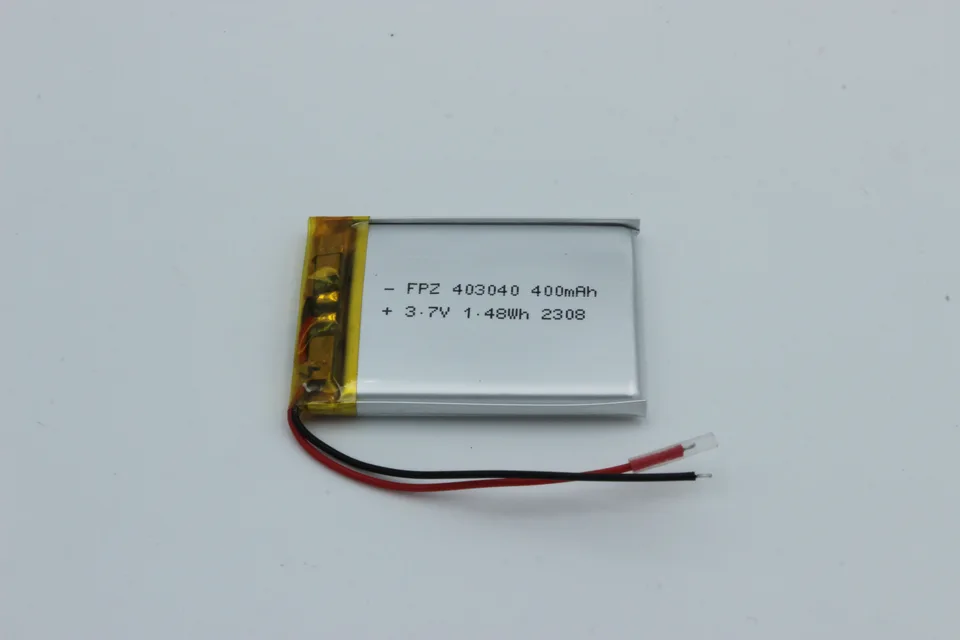
Describe the use profile before comparing capacity
Submit voltage, normal and peak currents with their durations, repetition and temperature. Identify the expected charge source, host controls and installation environment. Separate the energy target from limits such as peak load, voltage sag and recovery behavior. If one input is still unknown, label it as open and ask each supplier to quote under a stated assumption.
Compare line items that affect the assembled device
Ask for a controlled outline and list of deviations, including cable exits, wiring and sensing interfaces. Compare quantities and delivery assumptions only after the electrical and mechanical proposals are aligned. Inquiries for a fit sample and for a production-representative sample should state separate purposes so that a convenient early build is not confused with qualified production evidence.
Make the next review a defined decision
Attach the RFQ inputs to the quotation record. Specify the sample tests, acceptance conditions, and responsibility for each missing document. Where a shipment requires a lithium battery test summary, request the exact design covered and confirm applicability with the responsible shipping party. Use the Jetray catalogue references to discuss examples, then request the approved pack documents before committing the enclosure.
Sources & further reading
- Jetray LiPo battery product family ↗
- Jetray 11.1 V 2300 mAh Li-ion polymer pack catalogue reference ↗
- NASA requirements verification matrix reference ↗
- PHMSA U.S. lithium battery test summary guidance ↗
Prepared for the lithium polymer batteries collection. General engineering guidance does not replace a model-specific datasheet or application validation. Source review: 9 November 2026.