The practical answer.
Some pouch cell manufacturing routes use a temporary volume to collect gas during formation, then degas and reseal before release. Document that temporary outline only for the authorized manufacturing step. Use the released pouch drawing for equipment fit and follow the supplier’s disposition process if a delivered unit is unexpectedly deformed.
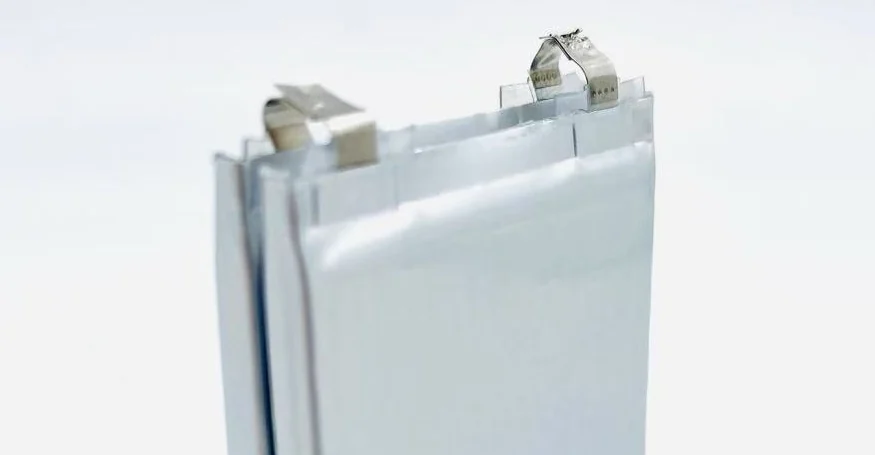
When does the pocket belong on a drawing?
Formation is the controlled initial cycling of a cell. Published research describes pouch processes where a temporary pocket collects gas during that stage and is removed or closed out through a qualified degassing and sealing sequence. The location, timing and design are manufacturer-specific. Ask which drawing describes the temporary shape, which fixture interfaces with it and which drawing governs the finished pouch.
Four document checks for formation and final pouch release
| Review stage | Drawing or record | Decision owner |
|---|---|---|
| Formation handling | Process-only temporary outline with handling and fixture boundaries | Cell manufacturer |
| Degassing and resealing | Controlled process step with released drawing as output reference | Cell manufacturer’s process and quality team |
| Released part | Final outline, tab position, seal references and current drawing revision | Supplier and buyer quality owners |
| Unexpected shape at receipt | Observation, identification, hold status and approved disposition | Receiving quality owner with supplier |
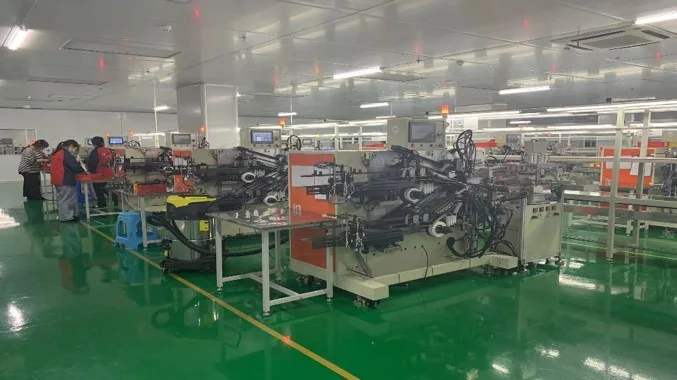
Keep tab and edge-seal requirements separate
Use different drawing references for the process-only allowance and the permanent tab and edge seals. Show the datum and interfaces applicable to each state. A temporary outline can inform an approved production fixture, while the final outline governs fit in the delivered pack and host product. Confirm handling and bend restrictions against the controlled supplier drawing rather than inferring them from a product image.
Identify who signs the transition to the released shape
Ask the cell manufacturer which record identifies the degassing and final seal state, the part and lot identification, and the inspection reference that releases the pouch. The equipment integrator should receive a finished part and an approved drawing suitable for fit and traceability. Do not use this article to open, vent, press flat or rework a delivered pouch.
How should receiving inspect the finished pouch?
Check the actual part against its approved outline and inspection criteria. Record the observation and preserve lot traceability. If a delivered pouch has unexpected swelling or damage, place it under the agreed hold process and obtain the manufacturer’s disposition. A process gas pocket does not establish that deformation in a released cell is acceptable. Normal dimensional changes during use require their own separate, approved service-envelope evidence.
Sources & further reading
- Primary research on gas generation in commercial pouch cells ↗
- Jetray LiPo battery product family ↗
- Jetray 11.1 V 2300 mAh product reference ↗
Prepared for the lithium polymer batteries collection. General engineering guidance does not replace a model-specific datasheet or application validation. Source review: 9 November 2026.