The practical answer.
Set a controlled as-delivered thickness for receiving and an independently verified service envelope for the enclosure. State where and under what restraint, charge state, temperature and age the service thickness is evaluated. Unexpected deformation is handled through the supplier’s inspection and disposition process.
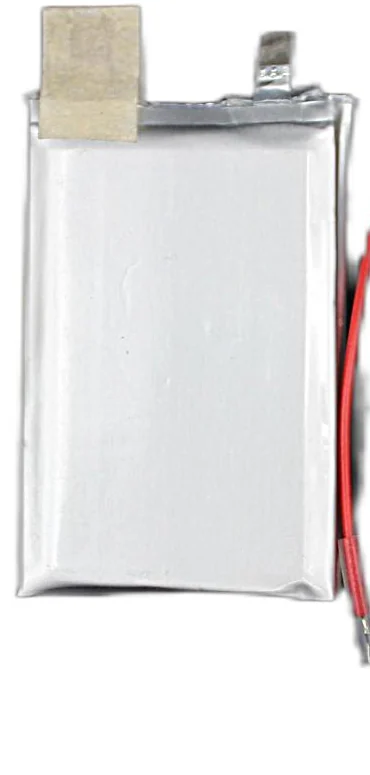
Distinguish the receiving dimension from a service envelope
An as-delivered dimension gives incoming inspection a measurable criterion for the released part. A service envelope gives the enclosure designer the space and restraint conditions that were validated for that part in use. Published pouch-cell research shows that dimensional changes depend on cell design and test conditions. Its reported values cannot be transferred as a product specification for another pack.
Separate receiving checks from the validated operating envelope
| Design input | Declared condition | Owner or evidence |
|---|---|---|
| As-delivered thickness | Supplier drawing revision, datum, measurement region and fixture condition | Controlled drawing and receiving check |
| Device service envelope | Operating state, temperature, expected age and restraint design | Approved validation record for the actual cell and housing |
| Seal and tab clearance | Drawing zones, connector clearance, bend restrictions | Mechanical review with the supplier |
| Unexpected deformation | Observation and lot ID under the receiving hold process | Supplier disposition, outside routine fit release |
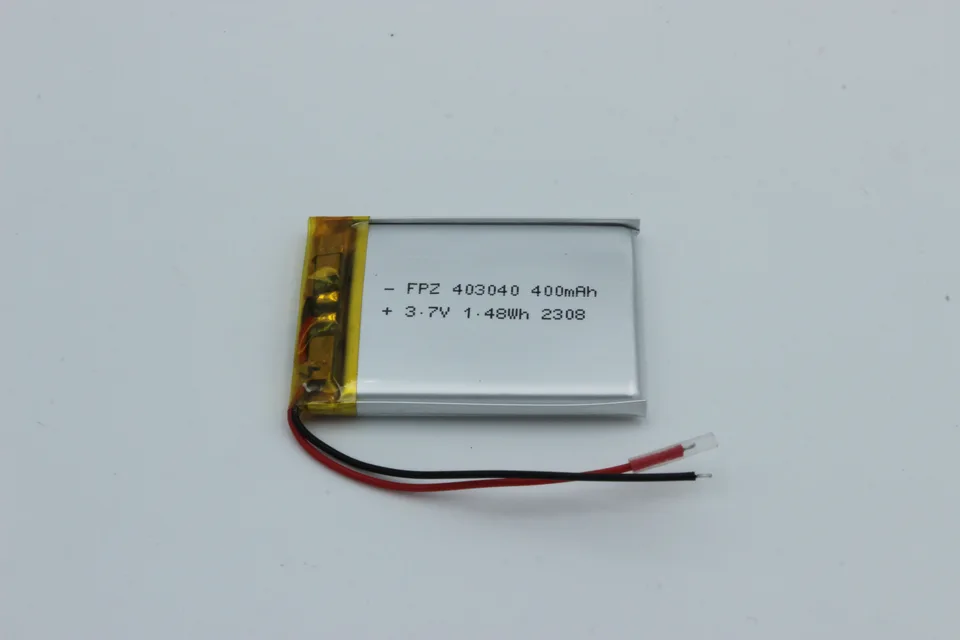
Use one datum and declare the test state
Ask for the supplier drawing revision, measurement locations, measurement method and approved restraint. In the device validation plan, name the battery configuration, housing, charge state, temperature, intended age range and the conditions under which measurements are compared. Define how the display, rigid ribs, adhesive, shields and latch transfer force. Clearance values and any compression must be established for the selected product, then verified together.
What should the enclosure owner review after a revision?
Compare the new cavity, bond line and hard-stop locations with the previous mechanical baseline. Reopen validation when the cell design, housing, mounting material, heat source or duty profile changes. Preserve the method, sample identity and reviewer in the drawing record. Treat the temporary formation envelope and the approved finished service envelope as separate manufacturing and equipment interfaces.
What if a finished pouch falls outside its approved profile?
Record the exact part, lot and observation without forcing the pouch into the enclosure. Follow the approved handling and hold process, and ask the supplier for written disposition. An equipment clearance allowance is not an incoming acceptance limit for unexplained swelling or damage.
Sources & further reading
- NLR primary study on expansion and gas evolution in commercial pouch cells ↗
- Jetray LiPo battery product family ↗
- Jetray 11.1 V 2300 mAh product reference ↗
Prepared for the lithium polymer batteries collection. General engineering guidance does not replace a model-specific datasheet or application validation. Source review: 9 November 2026.