The practical answer.
Define the physical datum, measurement area and fixture restraint before comparing pouch thickness or stack pressure. Record the cell state and load together. A force-controlled fixture and a fixed-gap fixture answer different questions.
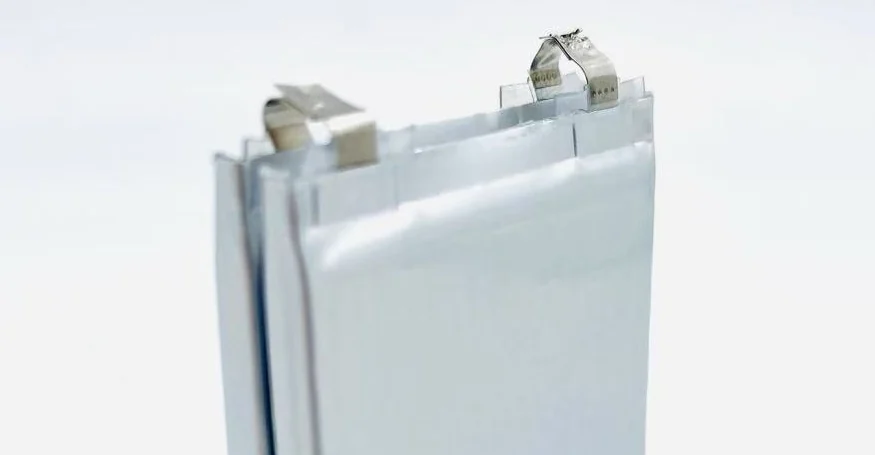
Define the physical datum and the region you measure
Use the supplier’s drawing to identify a reproducible reference plane and the region used for thickness. Mark where the fixture applies force, whether measurement includes packaging features and which surfaces must remain free. A numerical thickness from a loosely positioned sample cannot be compared directly with a measurement taken from a controlled stack.
Pressure and thickness verification record
| Method field | State explicitly | Why it changes the reading |
|---|---|---|
| Datum and region | Reference plane, measurement positions and whether seals or tabs are excluded | Thickness varies with the span and contact point. |
| Restraint | Force-controlled or fixed gap, contact area and fixture compliance | A changing reaction force and a changing thickness are different observations. |
| State-specific record | Installed cavity check and released profile recorded separately with gauge position and timing | The two observations support different engineering decisions. |
| Condition | Cell revision, state of charge, temperature, rest and age or cycle state | Mechanical and electrochemical conditions can move both measurements. |
| Acceptance | Supplier-approved method and limits, repeatability, responsible reviewer | Research observations are not design limits for another cell. |
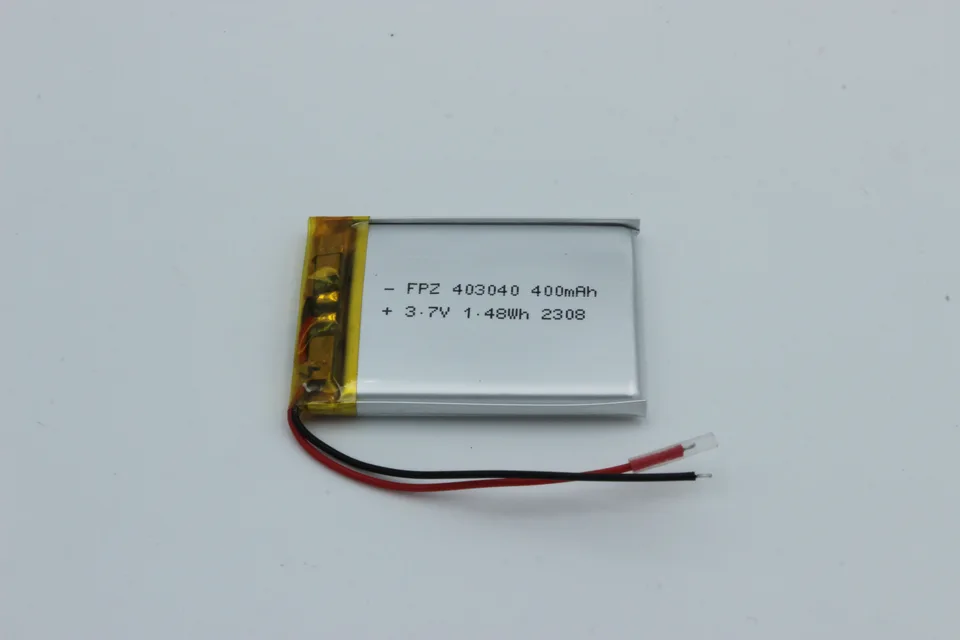
State which variable the fixture controls
With a fixed gap, the fixture holds displacement and reaction force can vary. With a force-controlled fixture, displacement can vary under the selected force. Record contact area if reporting a nominal pressure derived from force. Neither value tells the reviewer how load is distributed locally across a tab, seal, pad or stiff edge.
Use separate records for the installed and released pouch
Give the installed clearance check and the released profile check separate records. On the installed record, identify the housing and fixture drawing revisions, the restraint faces, the gap or applied load, and the gauge location. On the released record, identify the support plane, measurement positions, any agreed low-force gauge contact and the time since restraint was removed. Record tabs, fold routing and seal lands as separate envelope features if they affect clearance.
Add a fixture photograph or sketch showing its orientation and mark where the gauge makes contact. Use only the supplier-approved inspection procedure. If receiving staff see a visible profile change, record the position and inspection state and follow the approved hold and disposition process. Appearance alone does not diagnose gas generation or establish an allowable swelling limit.
Pair the reading with electrical and thermal state
Capture the selected sample revision, state of charge, temperature, rest condition and intended age or cycling state. Retain the calibration record and note fixture compliance, sensor location and any load history. Published pouch studies describe deformation and aging for their tested cells and methods. Do not apply their values as allowable pressure for a different pouch or assembly.
Keep measurement acceptance with the approved configuration
Agree the permitted restraint and measurement procedure with the battery and equipment teams. Reopen verification if cell geometry, spacers, adhesive, hardware, cavity dimensions or operating conditions change. An abnormal delivered pouch should go through the supplier’s hold and disposition process; do not press or rework it to obtain a reading.
Sources & further reading
- NLR pouch cell expansion and degradation experiments ↗
- NREL research on mechanical deformation and pressure in lithium-ion cells ↗
- Jetray 11.1 V 2300 mAh Li-ion polymer pack catalogue reference ↗
- Jetray LiPo battery product family ↗
Prepared for the lithium polymer batteries collection. General engineering guidance does not replace a model-specific datasheet or application validation. Source review: 9 November 2026.